Strip clubs Houston
All 13 strip clubs in Houston, compared in one place. Real photos, opening hours and direct contact for every venue.
Strip Clubs in Houston
Gold and premium venues first. Tap any club for its photos, its opening hours and direct contact.







Top clubs compared
| Club | Area | Photos | Hours | Tier |
|---|---|---|---|---|
| Center Folds | Houston | 7 | By appointment | |
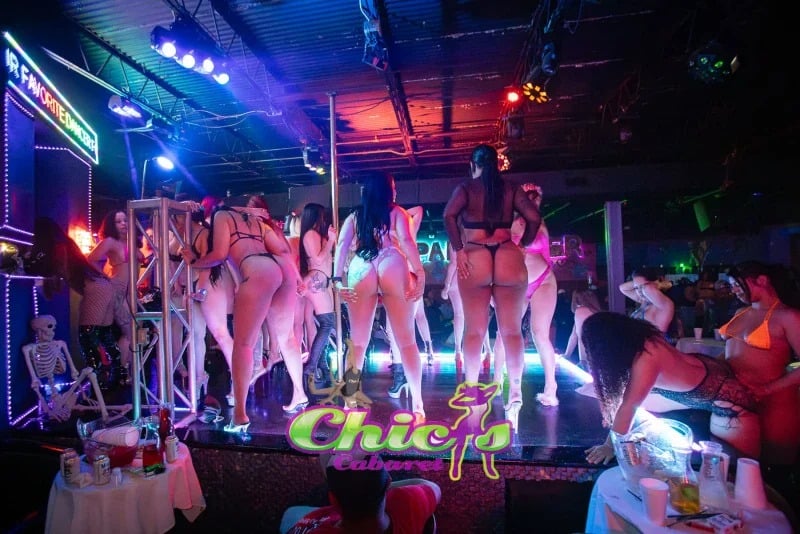
| Chicas Cabaret | Houston | 13 | By appointment | |
| Chicas Locas Houston | Houston | 15 | By appointment | |
| Club Onyx Houston | Houston | 16 | By appointment | |
| Colorado Club Houston | Houston | 16 | By appointment | |
| Cover Girls Houston | Houston | 6 | By appointment | |
| Diosa Cabaret | Westheimer | 7 | By appointment | |
| Pleasures Gentlemen's Club | Houston | 9 | By appointment |
Houston is a city that takes its nightlife seriously, and the adult entertainment scene here is as sprawling and diverse as the metro area itself. You will find everything from high-energy, multi-level super clubs to intimate neighborhood lounges, each catering to a different mood and wallet size. Walking into a Houston club for the first time can feel overwhelming, but understanding the local culture makes the experience far more enjoyable. The city’s sheer size means that the quality and vibe of a club can change dramatically depending on whether you are in the Energy Corridor or near the Heights. It is not a single scene but a collection of distinct experiences linked by a shared appreciation for spectacle and hospitality. Your night out here is essentially what you make of it, driven by your choice of venue and your comfort level with the customs.
A typical night at a Houston strip club follows a rhythm that is easy to pick up on once you know the basics. You arrive, pay an entry fee, and find a seat either at the main stage or in a more private section of the room. The flow of the evening is usually dictated by the stage rotation, where dancers perform in scheduled sets to a mix of music and crowd interaction. Between stage sets, the floor becomes a social space where dancers circulate to offer table dances or simply to chat and build rapport. The atmosphere is generally laid-back and professional, with a strong emphasis on customer service that reflects Houston’s Southern hospitality. Unlike some cities where the interaction feels rushed, here you are often encouraged to take your time, order a bottle, and settle in for the long haul. The key is to be respectful and clear about your intentions, and the night will typically unfold smoothly.
What makes the Houston scene particularly unique is its sheer variety and the way it blends different entertainment styles under one roof. You are just as likely to find a venue hosting a lively DJ set with acrobatic pole work as you are a quiet spot with a jukebox and a more conversational vibe. The city’s diverse population drives this variety, ensuring that no two clubs feel exactly the same, even if they are located just a few miles apart. This is not a scene where you can assume one experience fits all; a club that works for a bachelor party in Midtown might feel completely wrong for a business dinner with clients in the Galleria area. Therefore, the most valuable tool you have is knowledge about the different districts and the types of venues they host. This guide is designed to give you that knowledge, helping you navigate the landscape with confidence and find the right fit for your specific night out.
The Houston Club Scene and How a Night Unfolds
The Houston strip club scene operates on a scale that matches the city’s reputation for doing everything bigger. You are dealing with venues that can range from intimate spaces with a few tables to massive warehouses with multiple stages, private rooms, and even outdoor patios. The energy in these places is often driven by the crowd, which can be a mix of oil and gas professionals, medical workers from the Texas Medical Center, and groups of friends celebrating a special occasion. This diverse patronage means that the social dynamics are less aggressive and more social than in other major cities. You will often see groups of people laughing and talking with dancers, sharing a drink, and treating the experience more like a high-end lounge visit than a quick transaction. The vibe is generally friendly and open, but it is always respectful of personal boundaries and club rules.
As the evening progresses, you will notice a clear structure to how things operate. The stage shows are the anchor of the night, with dancers performing in rotation to keep the energy consistent on the floor. Between these sets, the dancers will walk the floor, introducing themselves and offering private dances. This is the moment where you decide how you want to spend your evening. If you are interested in a lap dance or a trip to a VIP room, this is when you would negotiate the terms and price with the dancer directly. For those who prefer a more passive experience, simply watching the stage show while enjoying a drink is entirely acceptable. The staff, from the bartenders to the DJ, are usually experienced in reading the room and will help facilitate a smooth experience. The goal is to create a seamless flow where you never feel pressured but always have an option available.
What truly sets Houston apart is the emphasis on the "bottle service" culture, which elevates the experience from a simple visit to a full event. Many of the larger clubs are designed with this in mind, featuring plush seating areas that are reserved for groups who purchase a table and a bottle of liquor. This is a popular choice for birthdays, bachelor parties, or simply for those who want a more exclusive feel. When you buy a bottle, you are not just paying for the alcohol; you are paying for the real estate, the dedicated attention from the waitstaff, and the elevated status in the room. It changes the dynamic of the night, making it feel more like a private party than a public spectacle. The dancers are naturally drawn to these high-spending tables, which can be a great way to meet multiple performers in a short amount of time. For many regulars, this is the only way to experience a Houston club, as it offers the most comfort and control over the environment.
Ultimately, the flow of your night depends on your own preferences and how you engage with the environment. Some people come for a quick drink and a stage show, while others stay for hours, moving between the main floor and the private areas. The key is to be observant and follow the lead of the staff and dancers, who are professionals at guiding newcomers. The atmosphere is generally non-judgmental, and you will find that people are there to have a good time without pretense. It is a place where you can be as social or as reserved as you like, and the night will adjust to your pace. The most successful visits are the ones where you come with a clear budget and an open mind, ready to experience the unique blend of entertainment and hospitality that Houston offers.
Types of Clubs and How They Differ
The first major distinction in Houston is between the "gentlemen's clubs" and the more casual "neighborhood bars." The gentlemen's clubs, often found in the Galleria area or near major business districts, are designed to be high-end and polished. They typically feature upscale décor, a dress code for patrons, and a more formal approach to service. These venues often have a strong focus on the stage show, with professional dancers performing elaborate routines to a soundtrack curated by a live DJ. The drink prices are higher, and the expectation is that you are there for a premium experience. In these clubs, the interaction between dancers and customers is often more scripted, with a greater emphasis on maintaining a polished, corporate-friendly atmosphere. If you are looking for a place to impress a client or celebrate a milestone in style, this is the category you should be exploring.
At the other end of the spectrum are the neighborhood clubs, which can be found in areas like the East End or along older commercial strips. These venues are more relaxed, often featuring a dive-bar aesthetic with a jukebox and a regular crowd. The focus here is less on the theatrical production and more on the personal interaction between the dancer and the customer. The dancers in these clubs tend to be more conversational and approachable, and the pricing for private dances is often more negotiable. You will find a mix of locals who stop by after work and a crowd that is looking for a no-frills, straightforward experience. These clubs are not about the spectacle; they are about the connection and the laid-back vibe. They offer a completely different feel from the high-end venues, and for many, they are the true heart of the Houston scene.
There is also a middle tier of clubs that blend elements of both extremes, offering a decent stage show with a relaxed atmosphere. These are often the most popular spots because they provide a good balance of quality and comfort. They might not have the marble floors of the Galleria clubs, but they will have a clean, well-maintained space with a solid sound system and a friendly staff. These mid-range clubs are where you will find the most variety in the dancers, often featuring a mix of full-time professionals and part-time performers. They are a great choice for a group of friends who want a fun night out without the pressure of a formal dress code or the seediness of a dive bar. The key is to read the reviews and understand the specific character of each venue, as the difference between clubs in this category can be significant.
Finally, Houston has a distinct category of clubs that focus heavily on the VIP and private booth experience. These venues might have a smaller main stage, but they invest heavily in the private rooms, offering everything from semi-private curtained areas to fully enclosed suites. If your primary goal is a lap dance or an extended private session, these clubs are often the best choice. They are designed to move the action away from the public eye quickly and efficiently. The pricing structure is often different, with a focus on time-based packages rather than individual dances. This type of club caters to a customer who is less interested in the show and more interested in the one-on-one interaction. Understanding these categories helps you target your search based on what you actually want out of the night, ensuring you do not end up in a venue that does not match your expectations.
Main Nightlife Areas and Club Clusters
Houston’s geography plays a huge role in where you will find its strip clubs, with clusters forming in specific commercial districts rather than in the main entertainment zones like Midtown or Washington Avenue. The most famous cluster is along the Westheimer corridor, particularly in the Galleria/Uptown area. These clubs are the high-end establishments, designed to cater to the business crowd and visitors staying in the nearby hotels. You will find large, well-lit venues with valet parking and a polished exterior that fits the upscale shopping district around them. This is the area to go to if you want the most luxurious experience, with high drink prices and a focus on the stage performance. The proximity to the Galleria means that the clientele is often dressed well and spending money, which sets the tone for the entire area.
Another significant cluster is located further west along the Katy Freeway (I-10) towards the Energy Corridor. This area is home to several large, standalone clubs that serve the oil and gas professionals who work in the nearby office parks. These clubs are typically huge, with expansive parking lots and a layout that can accommodate large groups. Because the clientele is largely business-oriented, these venues often have a more professional and efficient vibe. The clubs here are designed for a long stay, with extensive food menus and comfortable seating. This is a prime location for what you might call the "business lunch" of strip clubs, where deals are discussed and clients are entertained. The energy is a bit more subdued than the Galleria, but the spending power is just as high.
Heading towards downtown, you will find a different style of club scattered around the edges of the central business district and into the areas near the Theater District and the George R. Brown Convention Center. These venues tend to be smaller and more intimate, often located in converted warehouses or older buildings. They cater to a mix of convention attendees, downtown office workers, and locals from the surrounding neighborhoods like Midtown and the Fourth Ward. The vibe here is often more energetic and transient, reflecting the flow of people coming and going from events. You will find a more eclectic mix of club styles in this area, from the dive bar to the mid-range lounge. It is a good place to go if you are staying in a downtown hotel and want a convenient option without traveling far.
Finally, there are scattered clubs throughout the greater Houston area, including spots in the East End, near Hobby Airport, and up towards the northern suburbs. These are typically the neighborhood clubs, serving a local clientele and offering a more relaxed, community-oriented atmosphere. They are not destinations in themselves but rather part of the fabric of their local commercial strips. These clubs are often the most affordable and the most authentic, offering a raw look at the city’s culture away from the glitz of the main districts. While they may not have the Instagram-worthy interiors of the Galleria clubs, they offer a genuine, no-nonsense experience. Knowing which district you want to be in is the first step in narrowing down your options and ensuring the club’s character matches your plans for the evening.
Stage Shows, Lap Dances, and VIP Rooms Explained
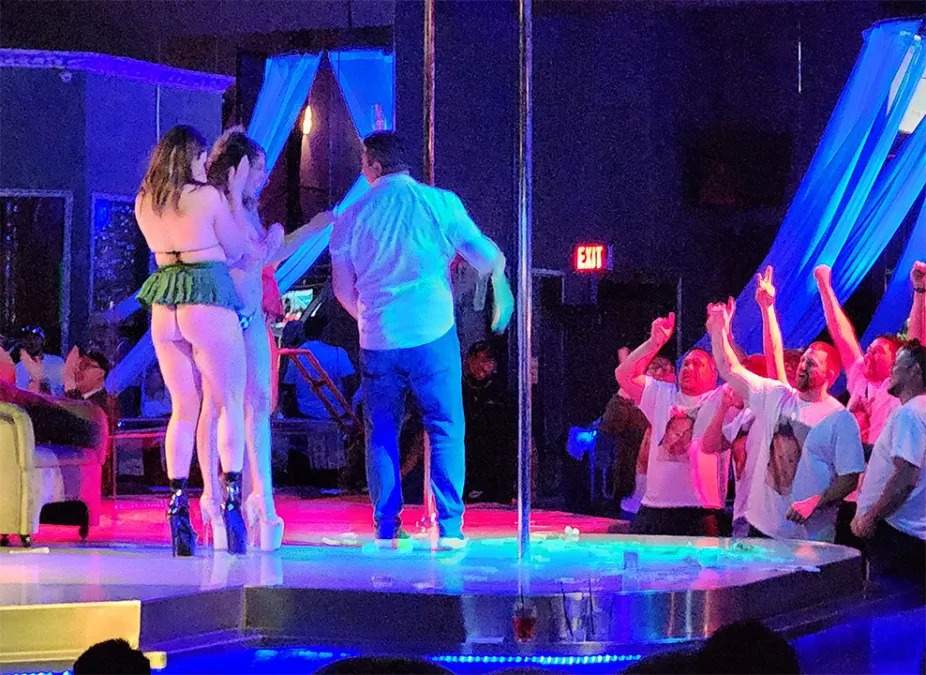
The stage show is the public centerpiece of any Houston strip club, and the format is fairly standard across the city. A dancer will perform a set, usually lasting the length of three or four songs, on the main stage. During this time, she will work the pole, dance to the music, and collect tips from patrons who approach the stage. The interaction is often encouraged, with dancers making eye contact and gesturing for you to come closer if you are showing interest. The level of acrobatics and athleticism varies from club to club and from dancer to dancer, but you will always see a performance that is designed to be visually engaging. The DJ plays a critical role here, setting the mood and introducing each dancer by her stage name. Understanding the flow of the stage show is essential, as it sets the tone for the rest of the evening and gives you a chance to see the talent before you commit to a private dance.
Lap dances are the most common form of private interaction, and the experience can vary widely depending on the club and the individual dancer. In most Houston clubs, a lap dance takes place either at your table or in a designated area on the main floor. The dancer will sit on your lap and dance for the duration of a single song, typically with your hands placed on her waist or hips. It is a physical but non-explicit experience, governed by local ordinances and club policies. The price for a single dance is usually set by the club, but you can often negotiate a discount if you purchase a package of multiple dances. The key to a good lap dance is communication; let the dancer know your preferences and boundaries, and she will usually do her best to accommodate you. It is a transactional but personal experience that defines the core of the club’s private offerings.
For a more extended and exclusive experience, the VIP room is the next level up. These rooms are separate from the main floor and offer a higher degree of privacy, with options ranging from a curtained-off booth to a fully enclosed suite with a couch and a lock on the door. The pricing for VIP time is significantly higher than for a standard lap dance, and it is usually booked in set time increments, such as 15, 30, or 60 minutes. The dancer’s fee for this time is often paid directly to the club upfront, and then you negotiate the specifics of the session with the dancer once you are in the room. The atmosphere in a VIP room is more relaxed and intimate, allowing for conversation and a slower pace than the main floor. This is the option to choose if you are celebrating a special occasion or simply want a more personal connection without the distractions of the club.
Private booths, on the other hand, offer a middle ground between a main-floor lap dance and a full VIP suite. These are often small, semi-enclosed spaces with a chair or a small couch, located either near the main floor or in a separate hallway. They offer more privacy than a table dance but are less expensive than a full VIP room. The interaction is still primarily a dance, but with less interference from the crowd and the DJ. The negotiation process is usually the same as for a VIP room, with a set price for a certain number of songs or a time limit. Understanding the difference between these three options is crucial for budgeting your night and for setting your expectations. Each offers a different level of intimacy, and your choice should reflect how comfortable you are with public interaction versus private engagement.
Entry, Dress Code, Cover Charges, and the Door
Your night out begins at the door, and knowing what to expect can save you from an awkward moment. The first thing you will encounter is the cover charge, which varies depending on the club, the day of the week, and the time you arrive. You can expect to pay anywhere from a modest fee for a neighborhood bar to a higher charge for a premium club on a weekend night. Some clubs will waive the cover if you arrive early or if you are a first-time visitor, but this is not a guarantee. It is always a good idea to bring cash, as many clubs have ATMs on site but charge a convenience fee for their use. The cover charge is typically your entry ticket, and it rarely includes any drink or service, so budget for it separately from your spending money for drinks and dances.
The dress code is another important factor to consider before you head out. High-end clubs in the Galleria area often enforce a strict dress code for male patrons, requiring collared shirts, dress shoes, and sometimes even slacks. You will be turned away if you show up in athletic wear, ripped jeans, or overly casual footwear like flip-flops. The neighborhood clubs are usually much more lenient, but it is always safer to err on the side of being well-dressed. Wearing business casual attire is a safe bet for most venues in Houston. This not only ensures you get in the door but also signals to the staff and dancers that you are a serious customer. The dress code is part of the club’s effort to maintain a certain atmosphere, and respecting it shows that you are there to enjoy the experience in the spirit it is intended.
Once you are inside, you will typically be greeted by a host or hostess who will guide you to a seat. You will notice a strict ID check at the door, as all Houston clubs require patrons to be at least 21 years old. Your ID will be scanned or examined closely, so make sure you have a valid government-issued photo ID. After that, you will be shown to a table or a seat at the bar, and a waitress will come by to take your drink order. The service is usually quick and professional, and you are expected to tip the waitress for each round. The club may have a minimum drink requirement, especially on busy nights, so be prepared to order something even if you are just there to watch the show. The atmosphere at the door sets the tone for the rest of your visit, so a smooth entry is the first step to a successful night.
Finally, it is important to understand the house rules that are typically explained or posted at the entrance. Most clubs have a "no touch" rule for the dancers on stage, and a "look but don't touch" policy on the main floor unless a dance is being performed. Cameras and cell phones are almost universally prohibited in the main performance areas, and using them will get you ejected immediately. The staff is trained to enforce these rules to maintain a safe and legal environment for everyone. By respecting these rules, you will avoid any conflict and ensure that your focus remains on the entertainment. The door experience is your introduction to the club's culture, and being prepared for it will make the entire night more enjoyable and stress-free.
Choosing the Right Club Without Getting Burned
Picking a spot in Houston isn't just about finding the nearest neon sign. The city's sprawl means you have a wide range of options, from high-energy spots in the Galleria area to laid-back neighborhood bars in the Heights. The first thing to do is decide what kind of night you actually want. A quiet, conversation-friendly lounge in Midtown is a completely different experience from a packed, high-energy stage show venue near Westheimer. Knowing your own preference will save you a lot of time and money before you even walk through the door.
The phrase "clip joint" gets thrown around a lot, but it refers to a very specific problem. These are places that use aggressive tactics to separate you from your cash without delivering the experience you were promised. A major red flag is a promoter or valet who insists on prepaying for a large amount of time or a "package" before you see the venue. Legitimate clubs in Houston operate on a pay-as-you-go basis for cover, drinks, and dances. If someone is pressuring you to hand over a credit card for a minimum spend before you even see the interior, walk away.
Check the vibe before you commit. A good club will have a visible, friendly door staff and a manager who welcomes you. Look at the dancers on stage. Are they engaged and energetic, or do they look bored and pressured? Observe the clientele. Are other customers relaxed and having a good time, or do they look tense and like they're being rushed? A venue that relies on repeat customers, like many in the River Oaks and Uptown area, will naturally have a more comfortable atmosphere because they want you to come back.
Read recent online reviews from multiple sources, but take them with a grain of salt. Look for consistent complaints about being overcharged, pressure to buy bottles, or dancers who refuse to honor agreed-upon prices. Pay attention to how the club responds to negative feedback. A professional management team will address concerns publicly and professionally. Also, check the club's social media to see if they promote special events or themed nights, which is a good sign they are actively managed and invested in their reputation.
Remember that you are in control of your wallet. Before you go, decide on a budget for cover, drinks, and dances, and stick to it. Use an ATM outside the club to avoid high on-site fees, and leave your credit cards in the car or hotel safe if you are prone to impulse spending. A reputable establishment will never force you to spend more than you want. If you feel uncomfortable at any point, simply pay your tab, tip the waitress, and leave. There are dozens of other clubs in Houston, and your business is a choice, not an obligation.
A Step-by-Step Walkthrough of a Typical Houston Night
Your night usually starts before you even get to the club. Whether you are heading to a spot in Downtown or driving out to the Energy Corridor, you need to figure out parking and transportation. Many Houston venues offer valet service, which is convenient but will cost you a tip. Ride-sharing apps are a popular choice for obvious reasons, especially if you plan to drink. If you do drive, make sure you know the parking situation in advance, as some neighborhoods like Montrose have limited street parking.
Once you arrive, you'll pay a cover charge at the door. This varies depending on the night of the week, the time of night, and whether there's a special event or a headliner performer. Expect to pay more on Friday and Saturday nights after 9 PM. You'll then be greeted by a host or hostess who will show you to a seat, either at the main stage, a table, or a spot at the bar. This is your time to get your bearings, order your first drink, and watch the flow of the room.
The main stage is the centerpiece of the action. Dancers will perform in rotations, usually lasting for a set number of songs, often three. You'll want to have some dollar bills ready to tip for a good performance. The stage area is where you get your first impression of the club's energy. Some venues have a more theatrical, choreographed show, while others are more casual and improvisational. Just relax, watch, and enjoy the atmosphere while you decide if you want to engage further.
After the stage show, the dancers will often circulate through the club to mingle with patrons. This is the time to chat, buy a dancer a drink if you're interested, or ask about the club's specific policies for lap dances and VIP room visits. Each club has its own rules and pricing structure, so it's perfectly acceptable to ask a dancer or the waitress for clarification. The dancer will usually explain the options, from a standard lap dance at your seat or in a semi-private area, to a more private experience in a designated VIP lounge.
The final part of the night is settling your tab. Always ask for an itemized bill and check it carefully before you pay. Mistakes happen, and you want to make sure you weren't charged for a bottle of champagne you never ordered. When you're ready to leave, tip the waitress and the door staff if they provided good service. If you used valet, have your ticket ready. Then, catch your ride or find your car, and take a moment to reflect on the experience so you can decide if this is a venue you'd like to visit again.
Understanding the Price of a Night Out in Houston
Let's talk money, because a night out in Houston can range from a casual $50 to a very extravagant $1,000 or more. The biggest variable is the venue itself. A neighborhood bar in the Heights will have different pricing than a high-end club near the Galleria. Cover charges typically range from $10 to $20 on a regular night, but can go up for special events or holidays. You should always check the club's website or social media for cover charge information before you go.
Drink prices are fairly standard for a bar, but with a premium. Expect to pay anywhere from $8 to $15 for a domestic beer or a well cocktail. Premium liquors and top-shelf cocktails will cost more, often in the $15 to $25 range. Bottle service is a whole different ballgame. A standard bottle of vodka or whiskey can range from $300 to $600, and that price includes the mixers and a dedicated waitress for your table. This is often the best value if you have a large group, but it's a significant upfront cost.
Dances are where the pricing gets more complex and varies the most. The basic "lap dance" at your seat or in a designated dance area typically runs from $20 to $40 per song. However, this is not a universal law. Some clubs have a minimum number of songs you must purchase, and some dancers charge more based on their own popularity. Always negotiate the price and the number of songs *before* the dance begins to avoid any misunderstanding afterwards.
The VIP room is the most expensive part of the experience. These private or semi-private areas offer more time and more privacy, but they come at a premium. Prices can range from $150 to $300 for a half-hour session, and can go much higher for longer stays or for special "champagne room" experiences. The price often includes a dancer's time and sometimes a drink for her, but not always. It is crucial to ask the dancer or the host exactly what is included in the VIP price before you commit your credit card.
Beyond the club, you have to factor in tips. Tipping is an integral part of the culture, and you should budget for it. Tip the dancers on stage, tip for good dances, tip the waitress, and tip the valet. A good rule of thumb is to bring a wad of small bills, like ones and fives, and keep it separate from your main wallet. This helps you control your spending and ensures you always have cash on hand to show appreciation for good service.
Navigating Etiquette, Tipping, and Discretion
The golden rule in any Houston strip club is respect. The dancers are professionals, and treating them with courtesy and politeness will get you a much better experience than being rude or demanding. Don't touch a dancer unless you are explicitly told you can. This is the most important rule. During a lap dance, there are clear boundaries, and you should never attempt to touch the dancer's body. If you are unsure of the rules, just ask. It's better to ask a quick question than to be escorted out by security.
Tipping is the language of the club. On stage, tip for a good performance. You should also tip the DJ if you enjoy the music. When you get a lap dance, the fee you pay is for the dancer's service, but it is also customary to tip on top of that if you enjoyed it, especially if you want to encourage a future dance. Tipping the waitress on your drinks is standard bar etiquette, usually a dollar or two per drink. If you have a good conversation with a dancer, buying her a drink is a polite gesture, but note that she will often receive a commission on that drink.
Discretion is a two-way street. A good club values your privacy, and you should respect the privacy of the dancers and other patrons. Don't take photos or videos. This is a strict no-no in almost every club. You will be asked to leave, and you may get your phone confiscated. Also, don't ask a dancer for her real name, phone number, or to meet you outside the club. That's a violation of professional boundaries and can get you banned from the establishment. Keep the interaction professional and inside the club.
Your personal safety is your responsibility. Always keep an eye on your drink and your wallet. Don't leave your drink unattended, and be aware of your surroundings. When you're in a VIP room, you are in a private space, but you are still in a public venue. Trust your instincts. If something feels off, it probably is. Leave the situation and inform a manager if you feel threatened. A reputable club will have visible security staff to ensure the safety of both customers and dancers.
Finally, remember that you are a guest. The staff, from the bouncers to the bartenders to the dancers, are all there to do a job. Be polite to everyone, even if you're not interested in their services. A simple "no thank you" is always better than being dismissive. The people who get the best service and the best experiences in Houston clubs are the ones who treat everyone with a baseline of human decency and respect. That attitude will open more doors than any amount of cash.
The Ultimate Guide for Tourists and Bachelor Parties
Houston is a massive city with a thriving nightlife, and a visit to a strip club is a popular activity for tourists and a staple for bachelor parties. For visitors, the key is to pick a club that fits the group's vibe. A group of friends from out of town might enjoy a high-energy club in the Downtown or Midtown area, which is close to other bars and restaurants. For a more upscale, "wow" factor experience, a club near the Galleria offers a more polished, luxurious feel that can be a highlight of a trip.
Bachelor parties are a whole different beast. They require planning. The most successful parties are the ones where the best man has done his homework. First, decide on the size of your group and the budget. A party of ten looking for a wild night might prefer a club with a big main stage and bottle service. A smaller, more intimate group might prefer a VIP room experience where the guest of honor gets more dedicated attention. Many clubs have party packages that include a table, bottle service, and sometimes a private dancer for the groom.
When planning a bachelor party, communication is key. Call the club in advance and ask about their policies for large groups. Many Houston clubs have dedicated party hosts who can help you arrange everything from the table to the cake. It's also wise to let the club know if you're bringing a large group so they can prepare for you. This can often get you better seating and more attentive service. Avoid showing up with a huge group unannounced, as you may face a long wait or be turned away if the club is at capacity.
The directory itself is your best tool for planning. We gather the public information about every major club in the Houston area, so you can compare venues without having to visit them all. You can see which clubs advertise specials, which ones have a dress code, and what their general hours of operation are. This saves you a tremendous amount of time and helps you avoid the disappointment of showing up to a club that's closed or doesn't match the vibe you were expecting.
Ultimately, the goal of a night out at a strip club, whether you're a tourist or a local, is to have a fun, memorable, and safe time. This directory exists to make that easier. We don't rate the clubs or give our opinions; we simply provide the public facts so you can make your own informed choice. By gathering the listings, contact details, and basic information in one place, we help you navigate the diverse landscape of Houston's adult nightlife, so you can get straight to the fun part and create a story worth telling.
A Practical District by District Guide
Houston spreads out in a way that surprises most first time visitors. Unlike cities with a single nightlife core, the clubs here are scattered across several distinct zones, each with its own personality and price level. Downtown has a small but steady cluster geared toward convention crowds and after work drinks, where the vibe leans sleek and professional. Midtown and Montrose sit close together but feel different: Montrose has a more laid back, artsy energy with older venues, while Midtown pulls a younger crowd hitting the bars nearby before or after a visit.
The Galleria and Uptown area is where you will find the high end side of the scene. Clubs here tend to dress up their spaces, charge more at the door, and cater to business travelers staying in the big hotels along Westheimer and Post Oak. The Heights offers a more neighborhood feel, with smaller venues that feel less intimidating and often draw locals who want a casual night without the Uptown markup. Farther out, the Energy Corridor and Katy have a handful of spots that serve the suburban crowd, usually with more parking and a more straightforward, no frills approach.
Getting around Houston is the real challenge, and it shapes how you should plan your night. The city is car dependent, and venues are rarely walkable to each other except in a few blocks of Midtown or Montrose. Rideshare apps are your best friend here, especially if you plan to have drinks. Driving yourself between districts is doable but means you need to stay sober, and parking can be tight or paid in the denser areas. If you want to hit multiple clubs in one night, pick a single district and stick to it rather than crisscrossing the whole city.
The price differences between districts are real but not absolute. You might find a gem in the Energy Corridor with bottle service prices that rival Uptown, just as you can find a dive in Montrose that charges less than you expected. As a general rule, the closer you are to the business hotels and tourist hubs, the more you will pay for entry, drinks, and dances. The suburban and neighborhood clubs tend to be more forgiving on price, but they also may have smaller stages and shorter lineups.
Your best approach is to treat the district as a starting point, not a guarantee. Decide what kind of night you want first. If you want polish and a show, aim for Uptown or Downtown. If you want a relaxed, local feel with less pressure, try the Heights or a spot in Katy. Midtown and Montrose give you the widest variety in a small area, which makes them ideal for a bar hopping style night. Whatever you choose, plan your route before you leave, and remember that a twenty minute drive in Houston traffic can feel like an hour when you are ready to get home.
A Detailed Price Guide for Houston
Money is the part of a strip club visit that confuses most people, and that confusion is often by design. Houston clubs generally have a cover charge at the door, which can range from a modest fee on a weeknight to a higher amount on weekends or when a special event is happening. That cover gets you in the door and nothing else. Drinks, dances, and any VIP time are all separate, and the prices are rarely posted anywhere obvious, so you need to ask before you commit.
The stage show is the most affordable way to enjoy the club. You tip dancers on stage, usually a dollar or a few dollars per song, and you can watch from the rail or a seat nearby. This is the entry level experience, and it can be a great way to get a feel for the club before you spend more. The dancers rotate on a schedule, so if you are not impressed by one performer, wait for the next set. Stage tipping is expected, and not tipping at all will quickly get you ignored by the dancers and the staff.
Lap dances and private dances are where the real money comes in. In Houston, you will typically pay per song, and the price can vary widely depending on the club's location and how upscale it is. A basic lap dance in a neighborhood club might be a fraction of what the same dance costs in an Uptown venue. The key is to agree on the price and the number of songs before the dance starts. Ask the dancer directly, and do not be shy about it. A professional dancer will quote you a clear price, and if you feel the price is too high, you can politely decline.
VIP rooms and private booths are the premium tier. These usually involve a minimum spend, often tied to a time block like fifteen or thirty minutes, and the price can climb quickly. The room itself is more private, and the interaction is more extended, but the rules vary by club. Some include a dancer's time and drinks in the price, while others charge the room fee and then expect you to negotiate separately with the dancer. Always clarify what is included before you hand over your card. Bottle service is the most expensive way to go, and it is really about the atmosphere of a table and a private area rather than the alcohol itself.
Tipping works on a simple principle: you tip for service, and you tip more for better service. The bartender expects a tip per drink, the dancers expect tips on stage, and if you have a VIP host or a waitress bringing your bottle, they expect a cut too. The common advice is to bring cash in small bills, especially ones and fives, because many clubs have ATMs on site that charge high fees. Some clubs have gone cashless for entry and drinks, but cash is still king for tipping dancers directly. If you are unsure how much to tip, watch what the regulars around you are doing, and err on the side of generosity if you want good service on a return visit.
A Calm Step by Step Walkthrough of a First Visit
If you have never been to a strip club, the uncertainty is often worse than the reality. Let me walk you through a typical visit so you know exactly what is coming. First, decide on the club. Use this directory to find a few options that fit your budget and location, and check the hours because many Houston clubs stay open very late, but some close earlier on weekdays. Plan to arrive at a reasonable hour, usually before midnight, if you want a full lineup of dancers and a less crowded floor.
When you arrive, you will see a door with a cover charge. Pay it, show your ID if you look young, and walk in. The first thing you will notice is the layout: a stage in the center or against a wall, seating around it, and a bar along one side. Take a seat where you can see the stage but are not right on top of it unless you want to tip heavily. A waitress will come by to take your drink order. Order something simple, pay for it, and tip her. This is the moment to settle in and watch the show without feeling any pressure.
The dancers will come to you, not the other way around. They work on commission, and they are there to sell dances. If you are not interested, a simple and polite "no thank you" is all it takes. If you are interested, that is when you ask about the price. Do not be vague. Say something like "How much for a dance?" and listen to the answer. If the price works, she will lead you to the dance area or a private booth. If you want more time, inquire about the VIP room and what it includes. The dancers are professionals, and a clear conversation up front makes the whole thing smoother.
During the dance itself, the rules are simple. Keep your hands to yourself unless you are told otherwise, and follow the dancer's lead. Most clubs have strict policies about touching, and violating them will get you thrown out quickly. The dance lasts as long as the music, typically a few minutes per song. After it is over, pay what you agreed, and add a tip if you enjoyed the experience. Then you can go back to your seat, watch more of the stage show, or decide to call it a night.
As you leave, you will settle your tab at the bar if you have not already, and walk out the way you came in. Some clubs have a parking valet or a staff member at the door who might expect a small tip for calling you a rideshare, but this is not universal. The whole experience, from walking in to walking out, is calmer than the movies make it seem. The people there are working, the rules are clear once you ask, and the only real mistake a first timer can make is going in without cash or without a plan.
How to Use This Directory to Choose Well
This directory is a starting point, not a final answer. What we do is collect public information about the clubs in Houston, including their listings, photos, hours, and contact details, and we put it all in one place so you can compare your options without driving across town. That means the power is in your hands, but only if you read the listings the right way. A profile is a snapshot, and you have to learn what to look for in that snapshot.
Start with the photos, but treat them with a grain of salt. Real photos show the actual interior, the stage, the lighting, and the general vibe of the place. If a listing has professional, glossy photos that look like they could be from anywhere, that is a sign the club is investing in its image, which often means higher prices. If the photos are grainy or sparse, you are probably looking at a more bare bones venue. The key is to look for consistency. If the interior in the photos matches the neighborhood and the price range you expect, it is likely an honest representation.
The hours and contact details matter more than you think. A club that lists specific hours and a working phone number is easier to verify than one that only has a vague description. Call ahead if you are making a trip, and ask a simple question like whether they are open tonight or what time the lineup is best. If nobody answers or the number is disconnected, treat that as a warning sign. The contact details are also your way to check whether the club is actually where it says it is, because a real venue will have a physical address that shows up on a map.
Spotting fake, bait, or misleading clubs is mostly about paying attention to red flags. A listing that promises something too good to be true, like unlimited dances for a flat fee or a lineup that never changes, is probably exaggerating. Photos that look like they were taken from a different city or a different venue entirely are a major red flag. Listings with no photos, no hours, and no phone number are either brand new, defunct, or not worth your time. And be wary of clubs that advertise one thing in the listing but are known locally for something else, which is why reading multiple listings and comparing them helps.
The most useful habit is to cross reference. Look at two or three clubs in the same district, compare their photos, hours, and any notes in the listing, and then make a shortlist. From there, you can visit the club's own website or social media page if they have one, because a real business usually has a consistent online presence. This directory gives you the map, but the final check is yours to make. A little homework before you leave the house will save you from a wasted night and a wasted cover charge.
Frequently asked questions
What should I expect for entry and cover charges at Houston strip clubs?
Cover charges in Houston vary widely depending on the club, the night of the week, and whether there is a special event or headliner. You might find lower or waived covers on weekday afternoons, while Friday and Saturday nights often come with a steeper fee. Some venues include a drink ticket or a basic table in the cover, but others charge it strictly for entry. It is always smart to check the club’s public listing or social media before heading out, especially if you are planning a group visit.
How much do lap dances and VIP room experiences typically cost in Houston?
Pricing for lap dances and VIP rooms is not standardized, and each club sets its own rates, often per song or for a set block of time. Expect to pay more for private booths, VIP suites, or extended sessions compared to a standard dance on the main floor. Many clubs have minimums for bottle service or VIP entry, and the dancer usually sets her own tips on top of the base fee. Ask the staff or your dancer for clear pricing before you commit so there are no surprises.
Is there a dress code I need to follow as a customer at Houston strip clubs?
Most Houston clubs enforce a smart casual dress code, meaning no athletic wear, baggy clothing, or offensive graphics. Collared shirts, clean jeans, and closed-toe shoes are usually safe bets, while some upscale venues in the Galleria or Uptown areas might require business casual. Sneakers are often allowed but check individual club policies, as some may ban them after a certain hour. If you are unsure, call ahead or look at the club’s website for a dress code section.
How does tipping work at a strip club in Houston, and who should I tip?
Tipping is a big part of the experience, and it goes to dancers, bartenders, waitstaff, and sometimes the door host or DJ. For dancers, tip per song or per dance, and always tip in cash rather than relying on card payments, as many clubs prefer cash for direct tips. For bartenders, a dollar or two per drink is standard, and you should tip the waitstaff if they bring bottles or food to your table. If you use a VIP room, tip your dancer generously on top of the room fee, as that is her primary income.
What are the best areas in Houston for finding a strip club?
Houston’s club scene is spread out, with notable clusters near the Westheimer corridor, the Galleria/Uptown area, and along the North Freeway. Downtown and Midtown have a few upscale lounges that cater to a business crowd, while Montrose and the Heights offer more eclectic, laid-back venues. The Energy Corridor and Katy have options that serve a suburban crowd with plenty of parking. Your choice should depend on the vibe you want, from high-end bottle service to a more casual neighborhood spot.
What should I expect on my first visit to a Houston strip club?
Expect a security check at the door, a cover charge, and a walk through a dimly lit space with a main stage, seating areas, and maybe a bar. Dancers will likely approach you to offer dances, and you are free to decline politely. You will see stage shows that rotate performers, and you can tip on stage or request a private dance. The atmosphere is social, so do not be surprised if staff or dancers strike up a conversation to gauge your interest in VIP services.
Are there any rules about touching dancers in Houston clubs?
Rules vary by club, but most enforce a strict no-touch policy during stage shows and lap dances unless otherwise stated. Some clubs allow light touching during a VIP room session, but that is always at the dancer’s discretion and clearly communicated. Always ask for permission before any contact, and respect a dancer’s boundaries without argument. Breaking the rules can get you ejected or banned, so keep your hands to yourself unless invited.
Can I bring a group of friends to a Houston strip club, and are there special accommodations?
Yes, groups are welcome at most Houston clubs, and many have VIP tables, bottle service packages, or semi-private sections for parties. You should call ahead to reserve a table, especially on weekends, as walk-in groups may face longer waits. Some clubs have a minimum spend for group tables, which often includes a set number of bottles and mixers. For bachelor parties or birthdays, let the staff know, as they might arrange special attention from dancers or a shout-out from the DJ.
What is the difference between a lap dance and a VIP room experience in Houston?
A lap dance is usually a short, one-song session that happens at your seat or in a semi-private area, with a set per-song price. A VIP room experience is longer, often 15 to 30 minutes or more, and takes place in a private booth or suite with more space and privacy. VIP rooms frequently come with a higher minimum spend, and you may be required to purchase bottle service as part of the package. The dancer’s interaction level can be more personal in VIP, but always confirm exactly what is included before you pay.
Are Houston strip clubs open late, and what are the typical hours?
Most Houston strip clubs are open late, often until 2 a.m. on weeknights and 4 a.m. or later on weekends, depending on the venue. Some clubs open in the early afternoon for lunchtime crowds, offering a more relaxed atmosphere with fewer dancers. Check the club’s public hours online, as they can change for holidays or special events. If you are planning a late-night visit, call ahead to confirm they are still admitting guests and if the cover changes after a certain hour.
Do I need to bring cash, or do Houston clubs accept credit cards?
Cash is king at most Houston strip clubs, especially for tipping dancers, paying for individual dances, and covering small purchases. Many clubs have ATMs on site, but the fees can be high, so bring enough cash to avoid extra costs. Some clubs do accept credit cards for cover charges, bottle service, and VIP room fees, but dancers often prefer cash for tips. If you plan to use a card for a big tab, ask the bartender or manager about their payment policy first.
What should I know about the stage shows and rotation at Houston clubs?
Stage shows are the core entertainment, with dancers performing in rotation, usually for a set number of songs before switching out. You can tip dancers on stage, and many clubs have a rule that tips should be placed on the stage rather than handed directly during a performance. The rotation pace varies by club, but expect a continuous flow of performers throughout the night. If you like a particular dancer, you can often request a private dance or VIP session with her after her stage set is done.